Afternoon Tea: The Calling of Saint Matthew (1600)

From Caravaggio, one of Jacques’ favorites:
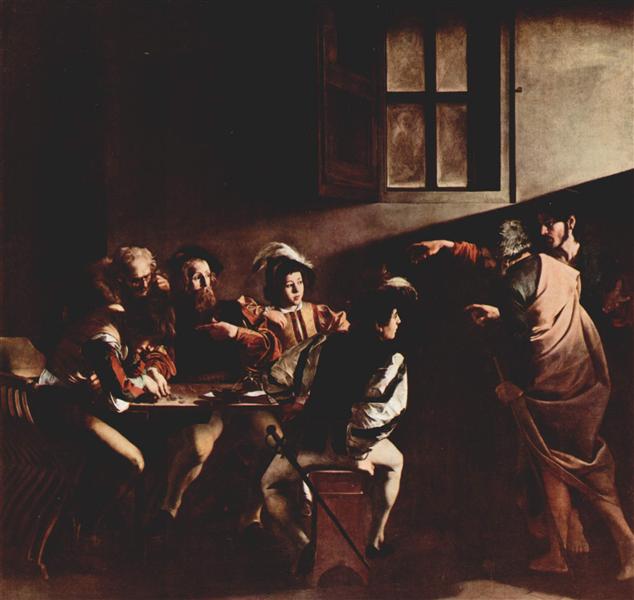
nol art caravaggio calling of saint matthew
Click here to zoom

Nightcap

  1. The marvel of the human dad Anna Machin, Aeon
  2. No exit? Scott Sumner, EconLog
  3. Big Water and Latin American borderlands Benjamin Nobbs-Thiessen, H-Borderlands
  4. The material power of ideas and knowledge Henry Farrell, Crooked Timber

RCH: Annexation of the Hawaiian islands

That’s the topic of my latest over at RealClearHistory. An excerpt:

That is to say, there are theoretical lessons we can draw from the American annexation of Hawaii and apply them to today’s world. The old Anglo-Dutch playbook turned out to serve American imperial interests well, especially when contrasted with the disastrous Spanish-American War of 1898, when the United States seized the Philippines, Cuba, Guam, and Puerto Rico from Spain in an unwarranted act of aggression. Hawaii, now an American state, has one of the highest standards of living in the world (including for its indigenous and Japanese citizens), while the territories seized by the U.S. from Spain continue to wallow in relative poverty and autocratic governance.

Please, read the rest.

Nightcap

  1. The Chinese governance system: impressive strengths and appalling flaws Pradnab Bardhan, 3 Quarks Daily
  2. Time to make good on the US-Philippine alliance Poling & Sayers, War on the Rocks
  3. Secession and international alliances go together Edwin van de Haar, NOL
  4. Maps and legends John Holbo, Crooked Timber

Afternoon Tea: Town on the Blue River (1910)

This is from the Austrian painter Egon Schiele:

nol art schiele town on the blue river 1910
Click here to zoom

Schiele was a buddy of Gustav Klimt’s but he died at the age of 28 in the Spanish flu pandemic.

Nightcap

  1. In search of non-toxic manhood Ross Douthat, New York Times
  2. How a cartoon depiction of Mohammad provoked Muslim outrage – in 1925 Brian Micklethwait, Samizdata
  3. Carbon taxes and the Marginalists’ difficult idea Stephen Gordon, Worthwhile Canadian Initiative
  4. On scientific mystery and religious mystery Nick Nielsen, Grand Strategy Annex

Nightcap

  1. The many lives of liberalism David Bell, New York Review of Books
  2. Is the political leader teachable? Avi Mintz, Law & Liberty
  3. Why ex-churchgoers flocked to Trump Timothy Carney, American Conservative
  4. A history fit for the Taliban Hugh Beattie, History Today

Nightcap

  1. The extraterrestrial next door Adam Hadhazy, Space.com
  2. Reporting reports: colonial medical institutions Jonathan Saha, Colonizing Animals
  3. The best way to defeat totalitarianism? Treat it as a joke Anna Aslanyan, Spectator
  4. Bureaucrats in the Defense Department: An ethnography Jonathan Wong, War on the Rocks

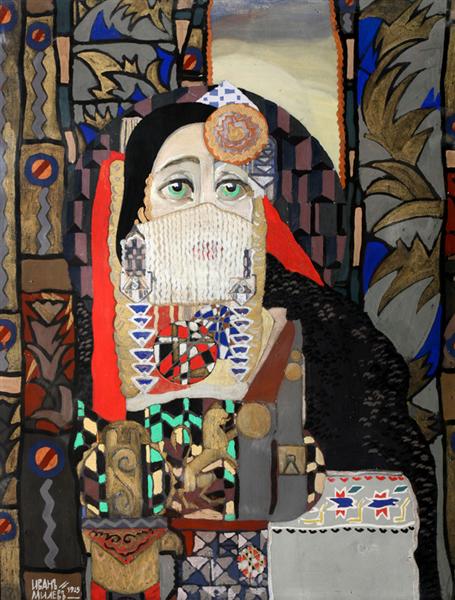
Afternoon Tea: Ahinora (1925)

From the Bulgarian artist Ivan Milev:

nol art milev ahinora 1925
Click here to zoom

Bulgaria is a lot closer to the Orient than, say, France or the U.K. Just look at the style of fashion worn by this woman. It’s amazing!

Nightcap

  1. The nonconformist in society Gerald Russello, Modern Age
  2. Francis Fukuyama’s master concept Patrick Lee Miller, Quillette
  3. Are we all big-government conservatives now? William Voegeli, Claremont Review of Books
  4. America is deporting Cambodian refugees convicted of crimes Charles Dunst, the Atlantic

Nightcap

  1. The costs of hospital protectionism Chris Pope, National Affairs
  2. Parasitic SETI and parasitic space science Nick Nielsen, Grand Strategy Annex
  3. Between two empires (Armenia) Peter Brown, New York Review of Books
  4. The transition from socialism to capitalism Branko Milanovic, globalinequality

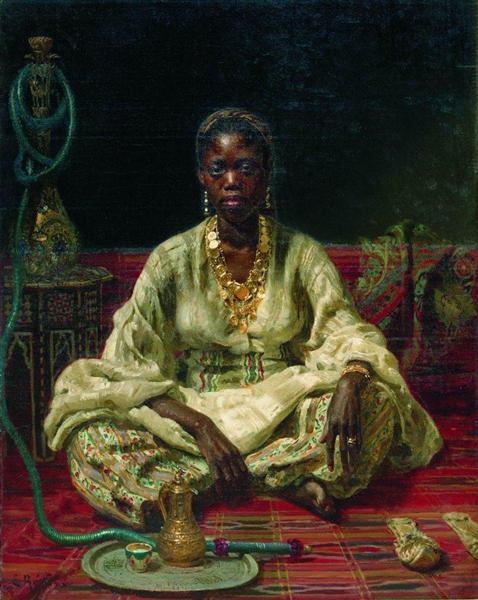
Afternoon Tea: Negress (1876)

This is from Russian painter Ilya Repin:

nol art repin negress 1876
Click here to zoom

RCH: Cassius Clay as the “greatest American” of the 20th century

My latest at RealClearHistory:

It was also the heyday of the Cold War, a nearly 50-year struggle for power between the liberal-capitalist United States and the socialist Soviet Union. The struggle was real (as the kids say today). The United States and its allies were losing, too, at least in the realm of ideas. The Soviet Union was funding groups that would today be considered progressive — anti-racist and anti-capitalist — around the world. One of the sticks that Moscow used to beat the West with was racism in the United States, especially in the officially segregated South.

It is doubtful that most of the African-American groups who took part in the struggle for liberty were funded, or even indirectly influenced by Soviet propaganda. The clear, powerful contrast between black and white in the United States was enough for most African-Americans to take part in the Civil Rights revolution. Yet Soviet propaganda still pestered Washington, and Moscow wasn’t wrong.

Please, read the rest.

Nightcap

  1. Bringing natural law to international relations Samuel Gregg, Law & Liberty
  2. How to face down the Secret Service Irfan Khawaja, Policy of Truth
  3. Affirmative Action at Harvard and statistics Gelman, Goel, & Ho, Boston Review
  4. The right’s triumph; the Left’s complicity Chris Dillow, Stumbling & Mumbling

Nightcap

  1. The left-wing case against open borders Angela Nagle, American Affairs
  2. A classic account of travel in Laos Peter Gordon, Asian Review of Books
  3. The remarkable rise of John Lilburne Jackie Eales, History Today
  4. The dilemma of India’s undersea nuclear weapons Yogesh Joshi, War on the Rocks