The homogenization of America, and the Americanization of Europe and East Asia

Richard Hanania is trying too hard:

Meh. This is not good evidence that American society is fragmenting. In fact, I’d say Hanania has got it backwards: politics is fragmenting despite the ongoing homogenization of culture.

Hanania is pushing this narrative of cultural fragmentation because it aligns with his view of “decentralized order.” Many libertarians in the United States continue to try to maintain an uneasy peace with Leftists by paying strong tribute to one of the Left’s most endearing values: multiculturalism/identity politics. Libertarians like Hanania think that by showing how markets and decentralized orders enhance multicultural societies, they are making inroads with the Left, or at least maintaining that aforementioned uneasy peace. They’re not wrong, and I’ve done this myself, but when you start fishing for evidence it’s time to rethink your priors, and this is what Hanania does by trying to celebrate cultural fragmentation using online media preferences.

Hanania and others who do this have another motive besides maintaining peace with the Left. They like to use the harmoniousness of multicultural markets to show just how dysfunctional government is. They will contrast harmonious markets with the heavy-handedness of government. “Politics,” these libertarians claim, is holding market-based social harmony back, and in a big way.

The problem with this narrative is that American society is more homogenous than ever before. This is the cold, hard truth, and it’s great news. I can travel from Waco, Texas to Chicago, Illinois and not see anything along the way that I can’t find in Waco. Compare this experience with an American traveling from, say, Provo, Utah in 1960 to Selma, Alabama. There were no “colored” drinking fountains in Provo in 1960. In fact, there probably weren’t any black folks period in Provo in 1960!

Now compare my travel experience from Waco to Chicago with that of somebody traveling from Albany, New York in 1860 to, say, Atlanta, Georgia. One of these places had slaves. Culture shock, from one part of the republic to another.

This doesn’t mean that American society is becoming more conformist, or that there is less cultural diversity, it just means that there is now a set of norms and values that almost all Americans — the vast, vast majority – tacitly agree upon. This is great news!

It’s not just the integration of black folks into mainstream American society that’s great. Immigrants are still assimilating, and after 2 generations they’re as American as apple pie. All of them. There’s not a single immigrant group that hasn’t been able to Americanize. Yes, there’s cultural diversity, especially once you get into the nitty-gritty of “local culture,” but there’s also a total homogenization that’s happened. Again, this is a good thing. This means that America is way more libertarian than you’d think.

It’s not just American culture that has homogenized, either. The people and places that have been allied with, or occupied by, America since the end of World War II have become Americanized. American culture is all-encompassing, including politics. In Europe and Israel, the Americanization is so robust that American media personalities such as Tucker Carlson can give major policy speeches in places like Budapest and small-time rappers from places like Memphis, Tennessee can perform in front of huge Tel Aviv crowds.

The NFL now plays regular season games in Germany and England. Major League Baseball clubs play regular season games in South Korea and Japan. The World Cup will be here, again, in 2026. UEFA is talking about hosting a Championโ€™s League final in the United States. Those are just examples of the major sports that were once viewed as regional peculiarities by allies on the other side of the ocean. Think about food. And, again, music. And books, and X, and research, and Netflix, and Disneyland. And, as Tuckerโ€™s speech in Budapest shows, politics. Local culture has persisted, but so too has the cultural homogenization of places enjoying the protection of the US military.

This is not a bad thing. It’s a great thing!

So what’s the problem? Only the US is experiencing continued economic and demographic growth. Our allies are dying off, and it’s because of their political systems. Demagogues in these countries exploit the Americanization of their societies in order to enact counterproductive policies that seek to revert liberty. You know where I’m going with this, right? Demagogues in the 13 American colonies also sought to extinguish liberty in the name of the local. To bring them to heel, the colonies federated.

We can, and must, do the same thing with our allies today. It’s time to start thinking about ways to help Europe and East Asia (and anyone else who wants to join) federate with us under the constitution.
I’m back here on WordPress

So, I tried out Substack and I didn’t like it. I much prefer the old way of doing things (though I’m not averse to trying out new things!). I’ll be back here instead of Substack. Some of the Notewriters might migrate back here, too. Some of them might stick to Substack.

It’s 2023, baby, and NOL is experimenting with decentralization. Look for a ‘nightcap’ soon!

We’ve moved!

Dear readers, long time and new, NOL has decided to move. We’re over here now.

We’ve moved!

Dear readers, long time and new, NOL has decided to move. We’re over here now.

We’ve moved!

Dear readers, long time and new, NOL has decided to move. We’re over here now.

Albania: People and Ruins

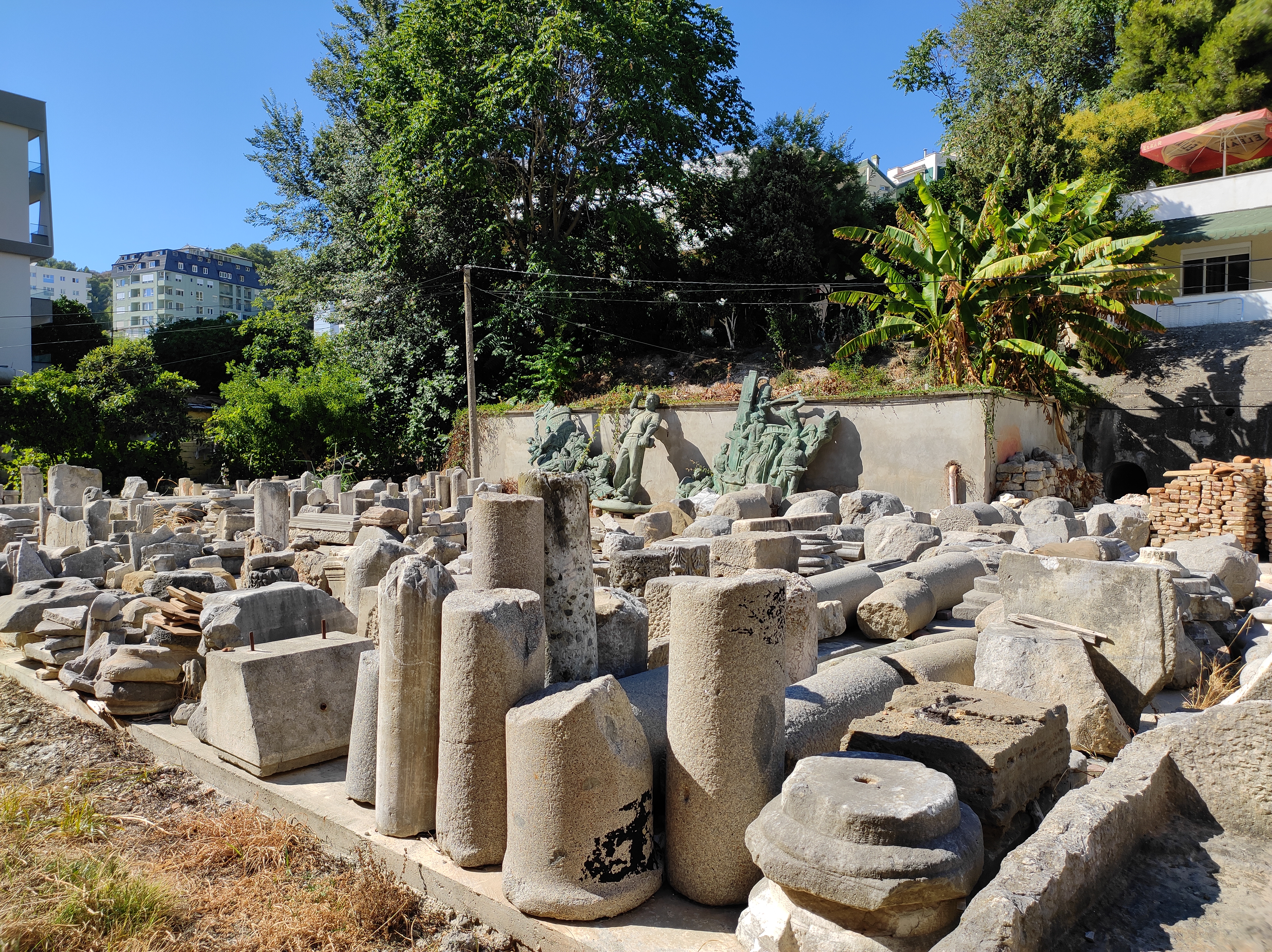
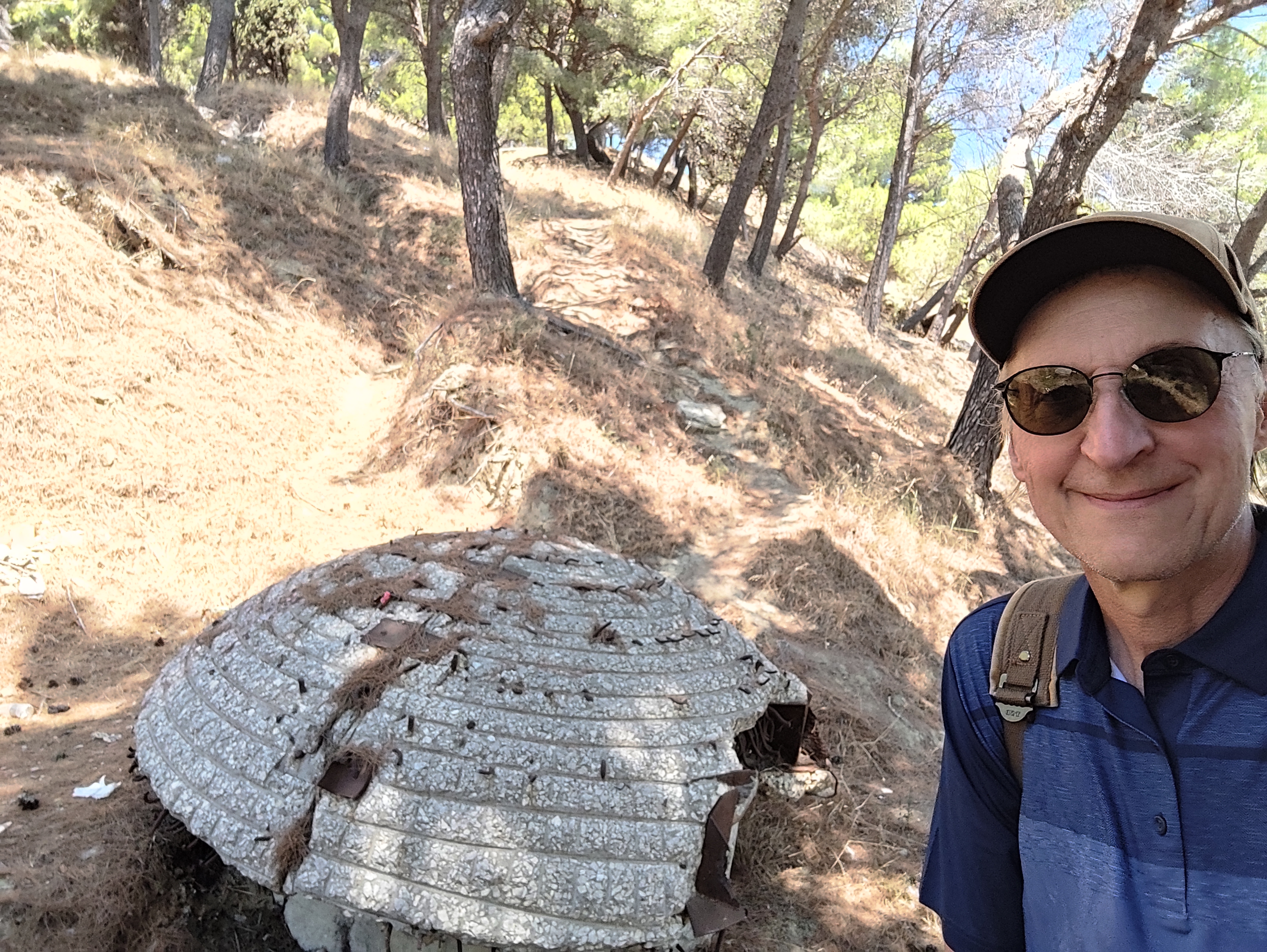
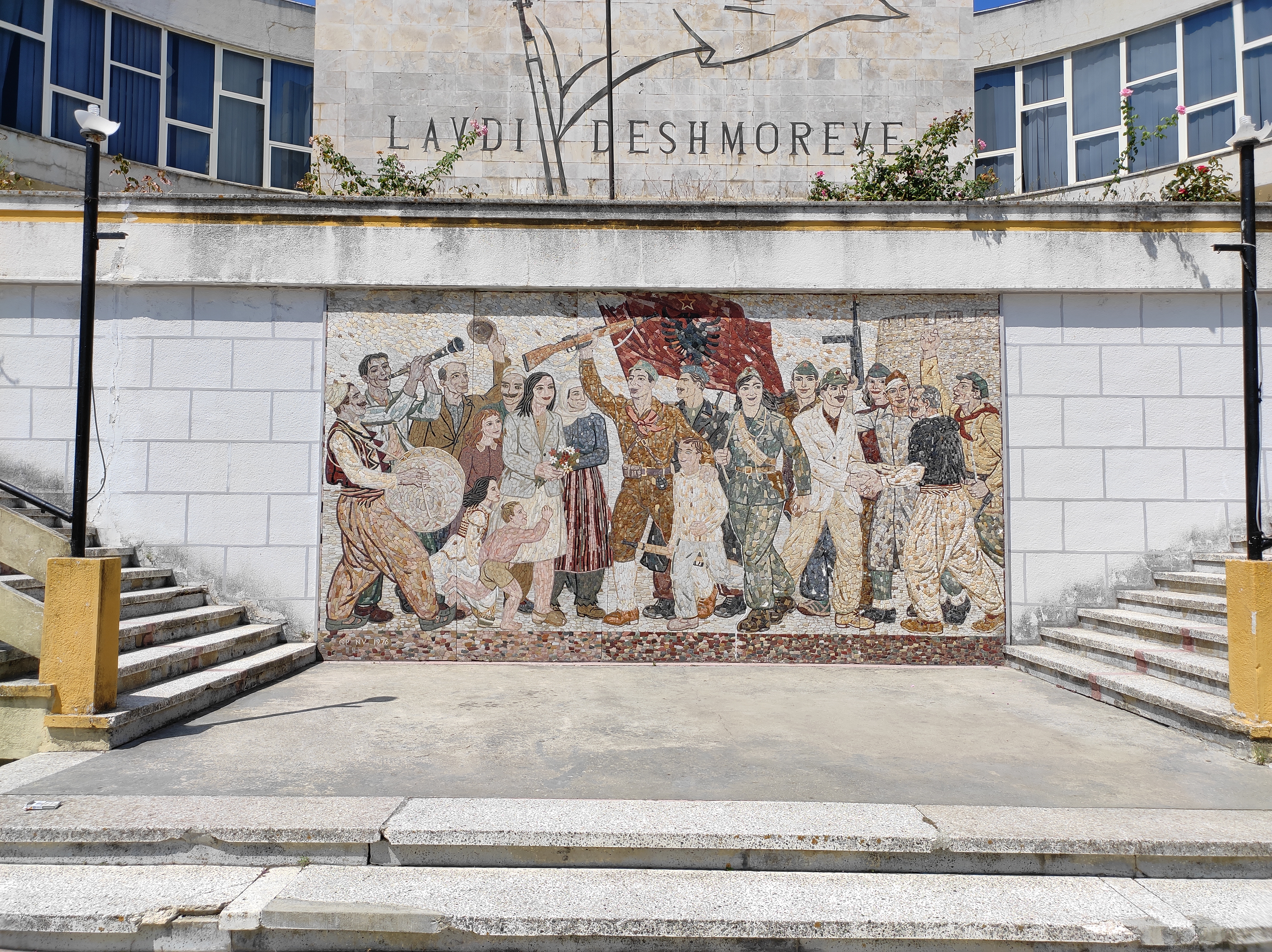
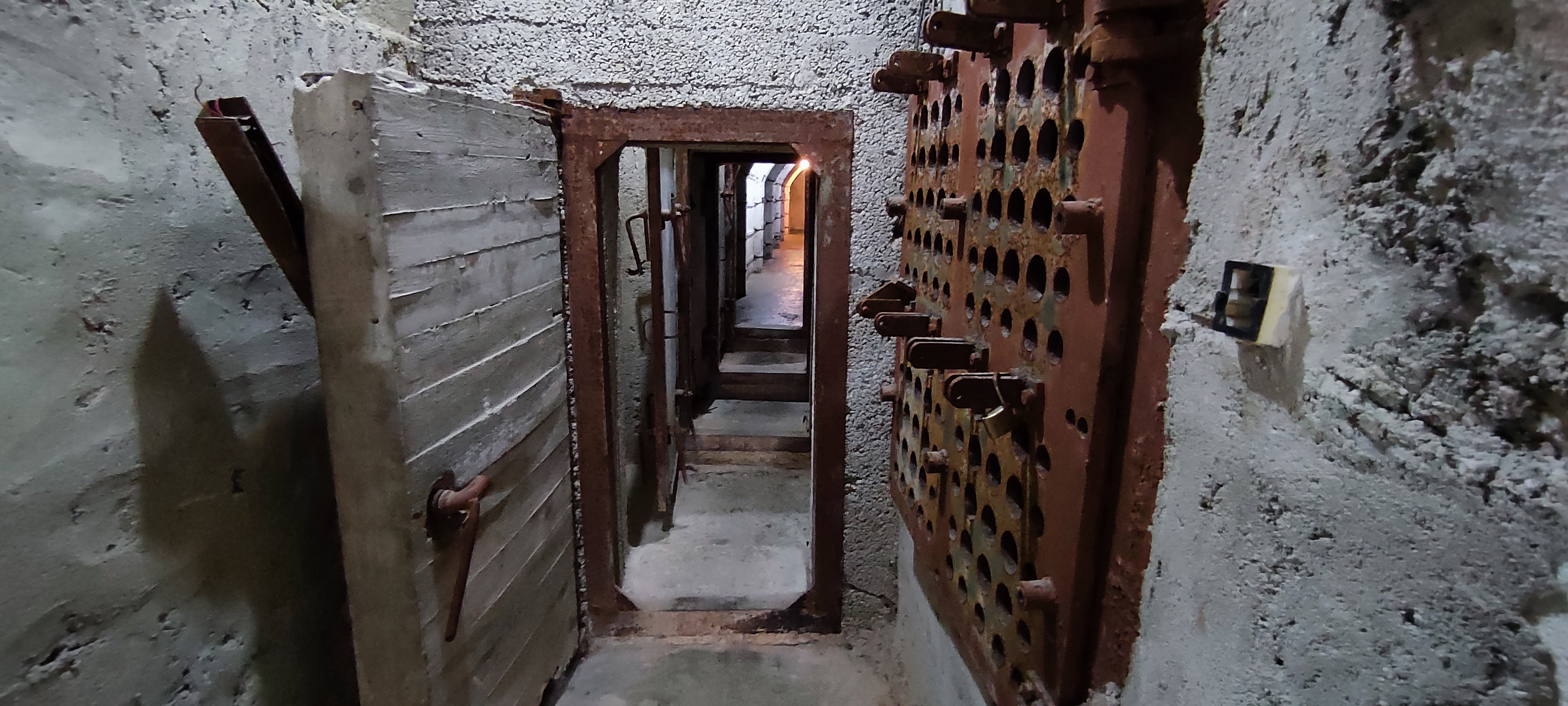
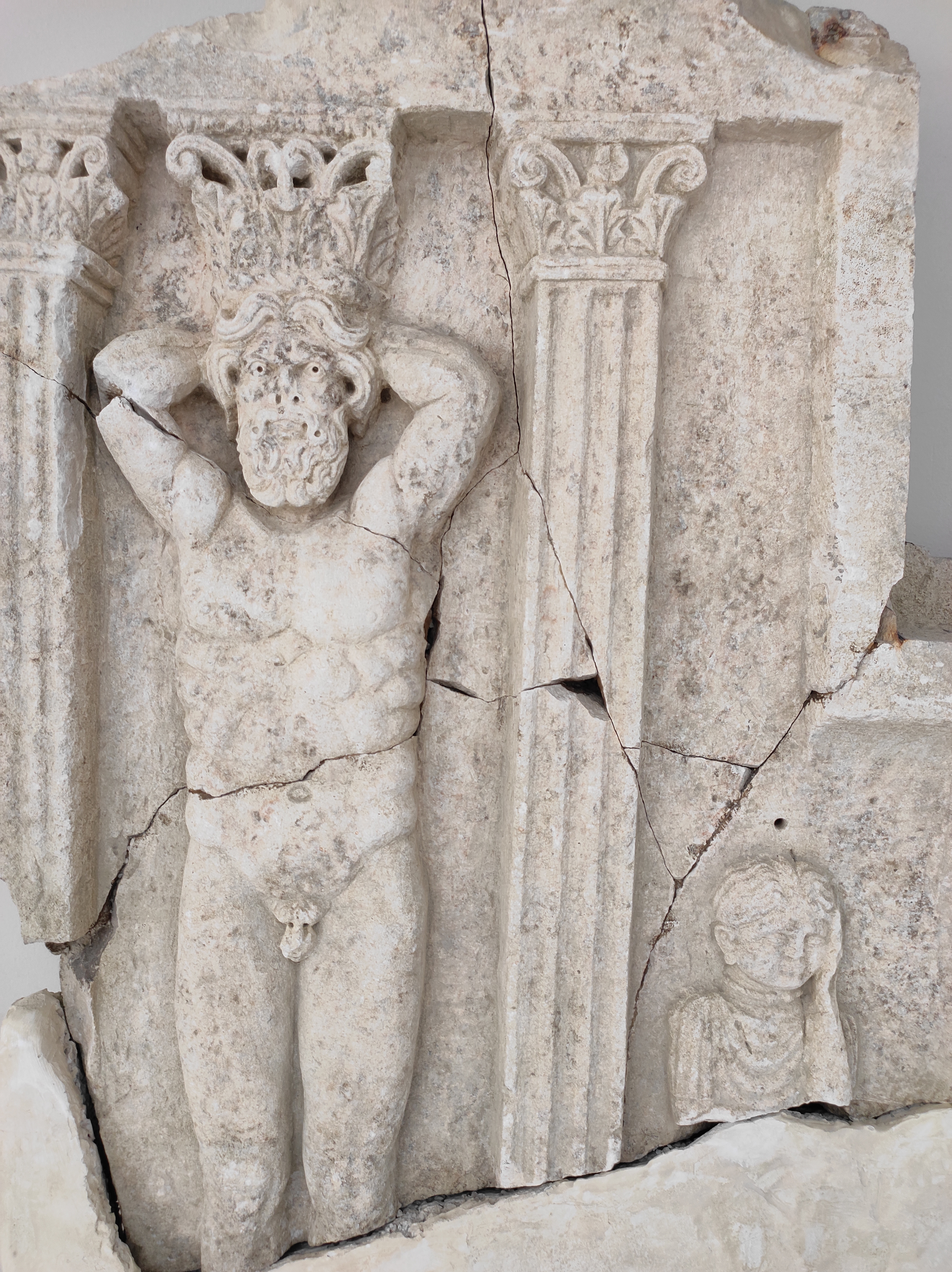
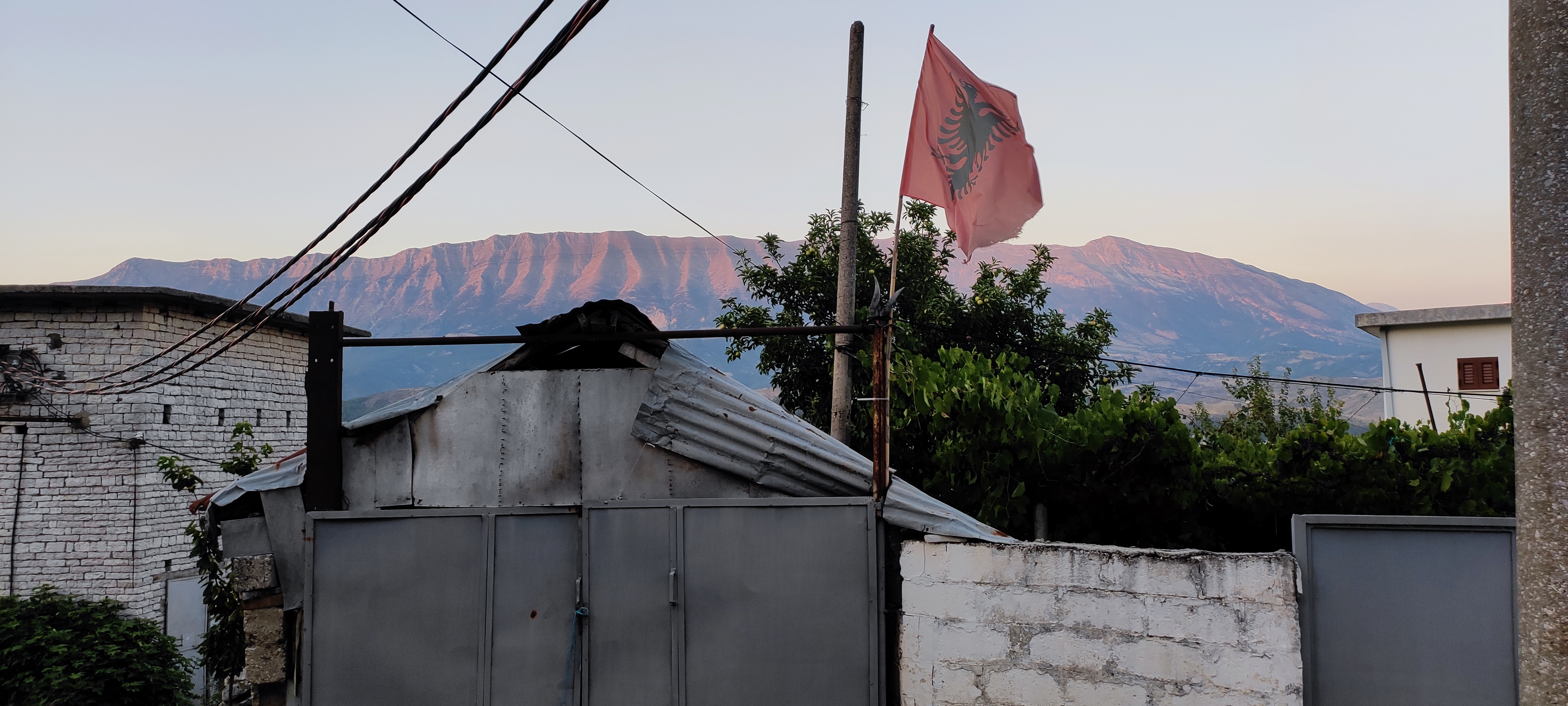
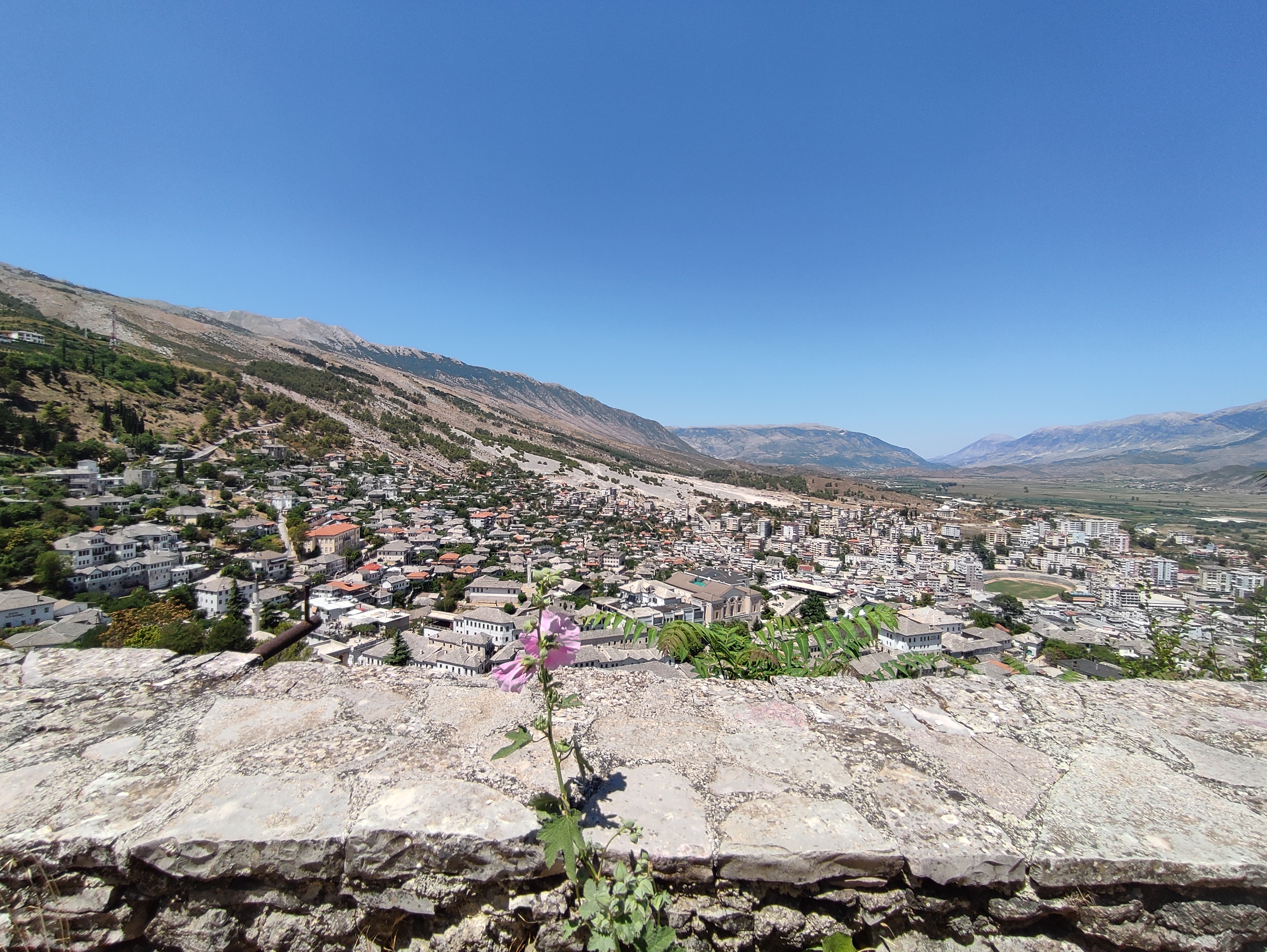
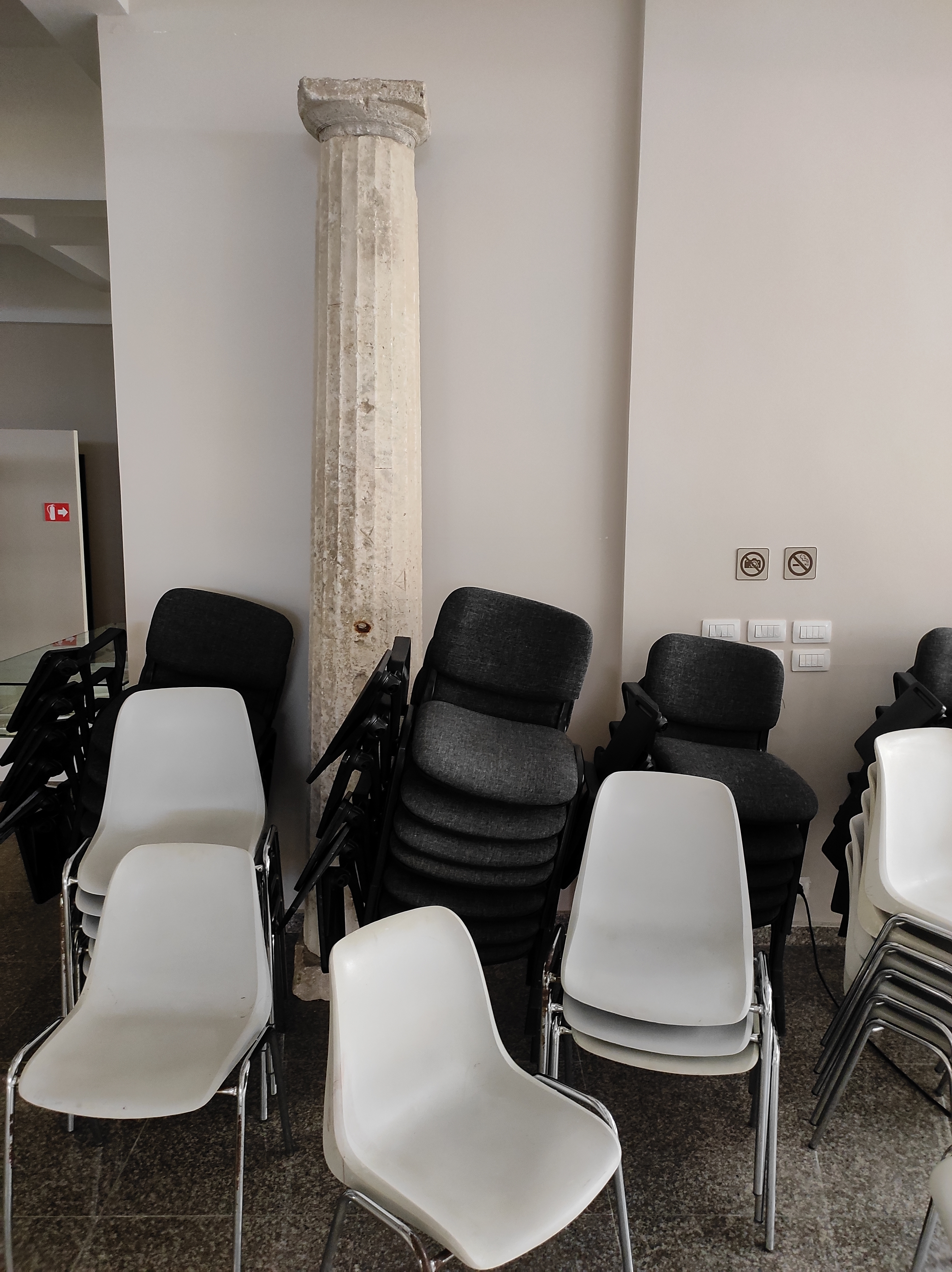
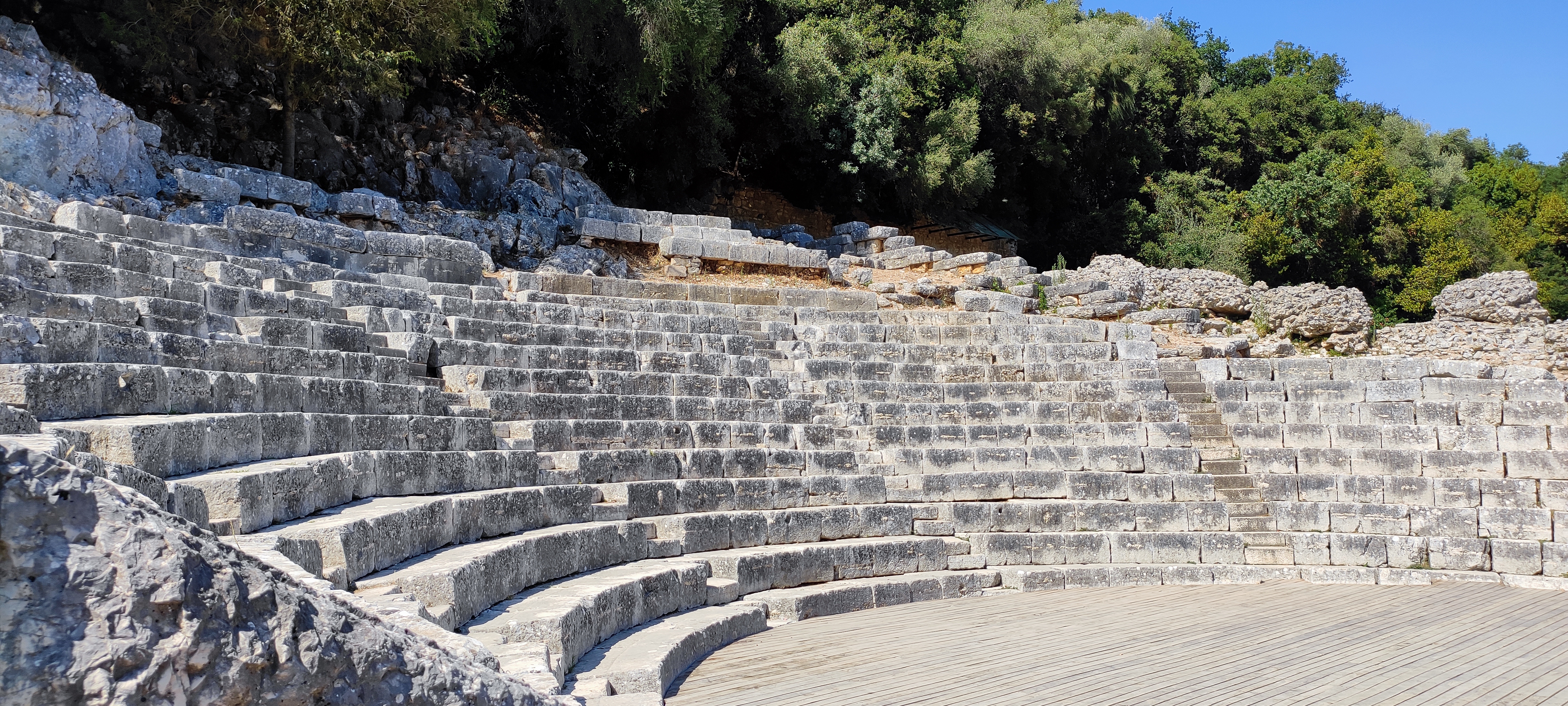
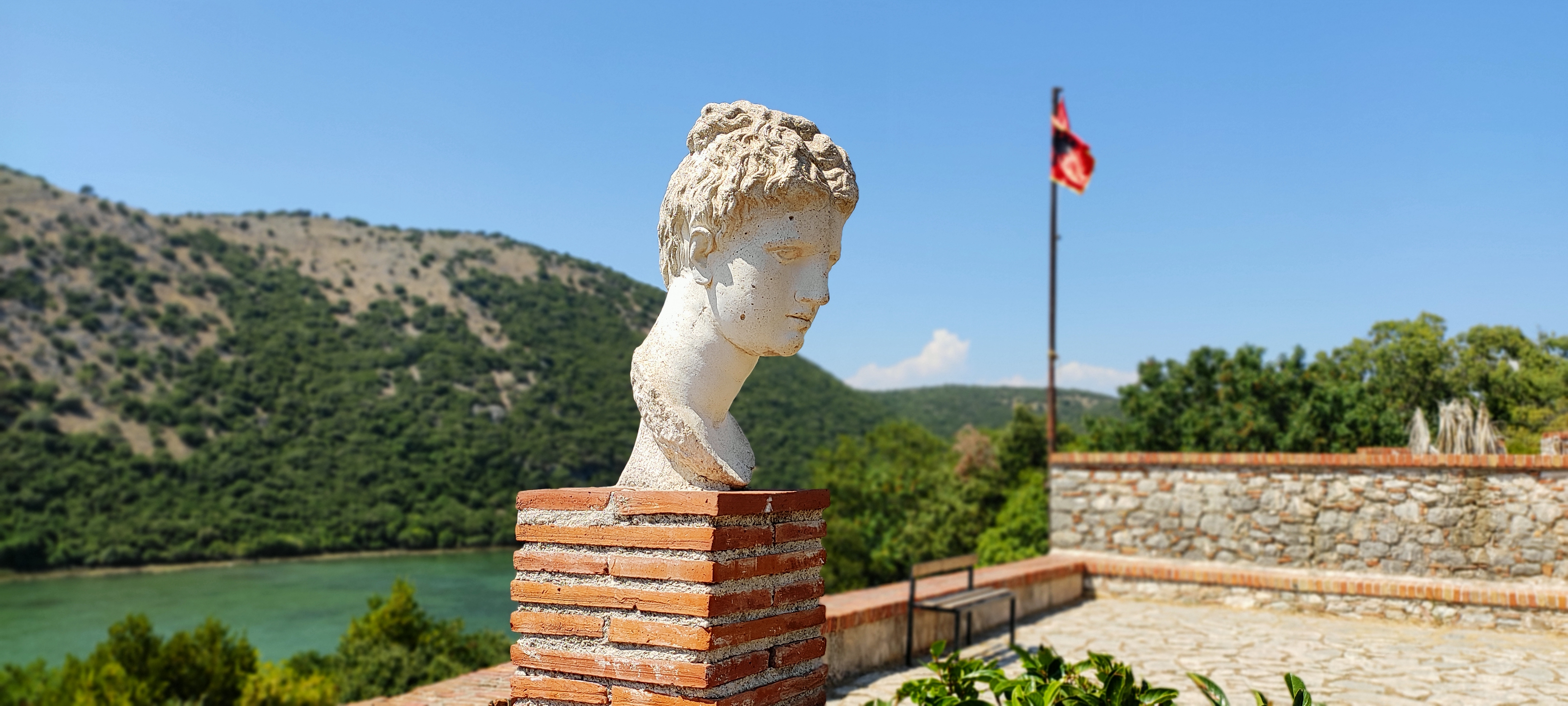
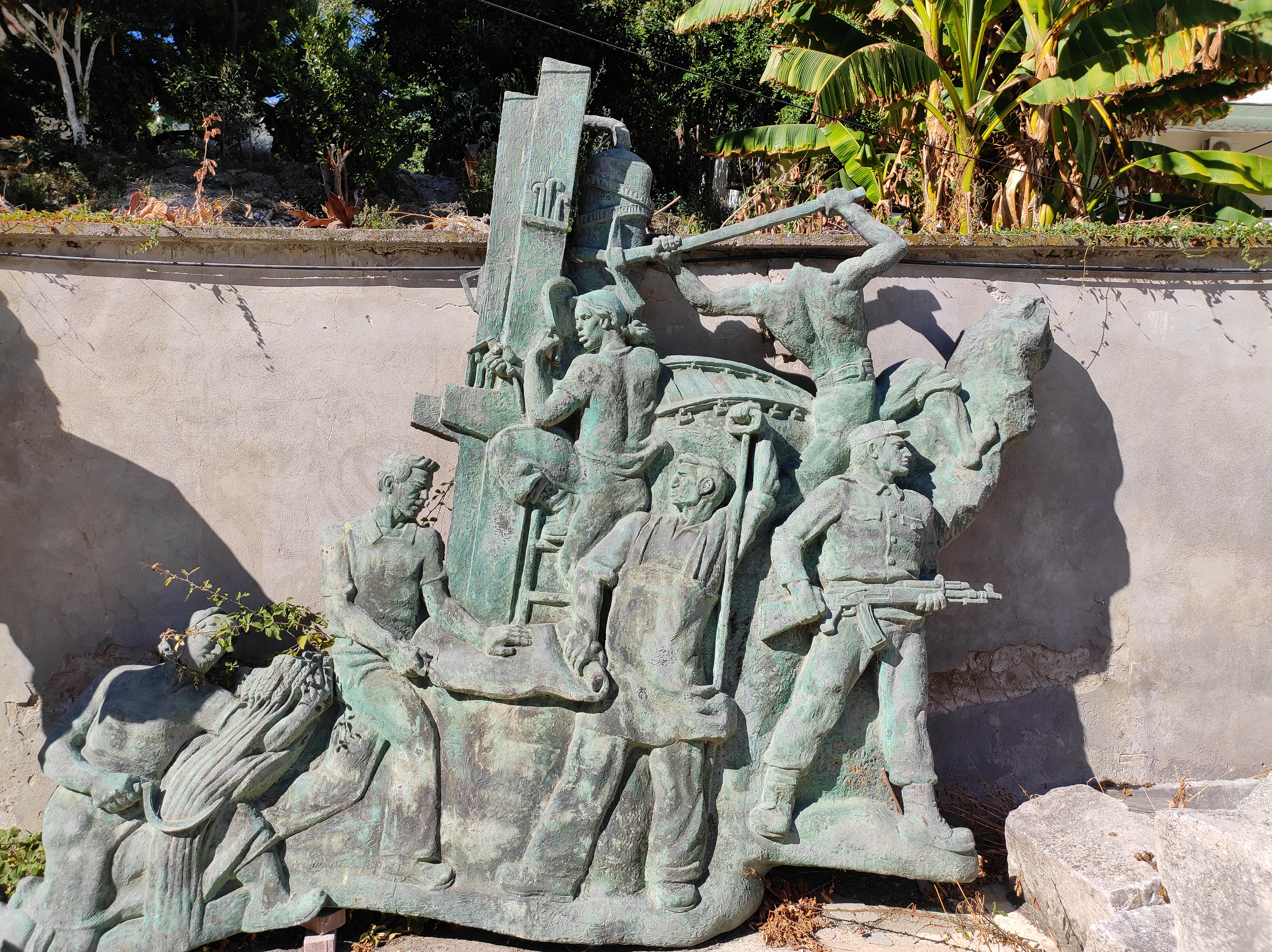
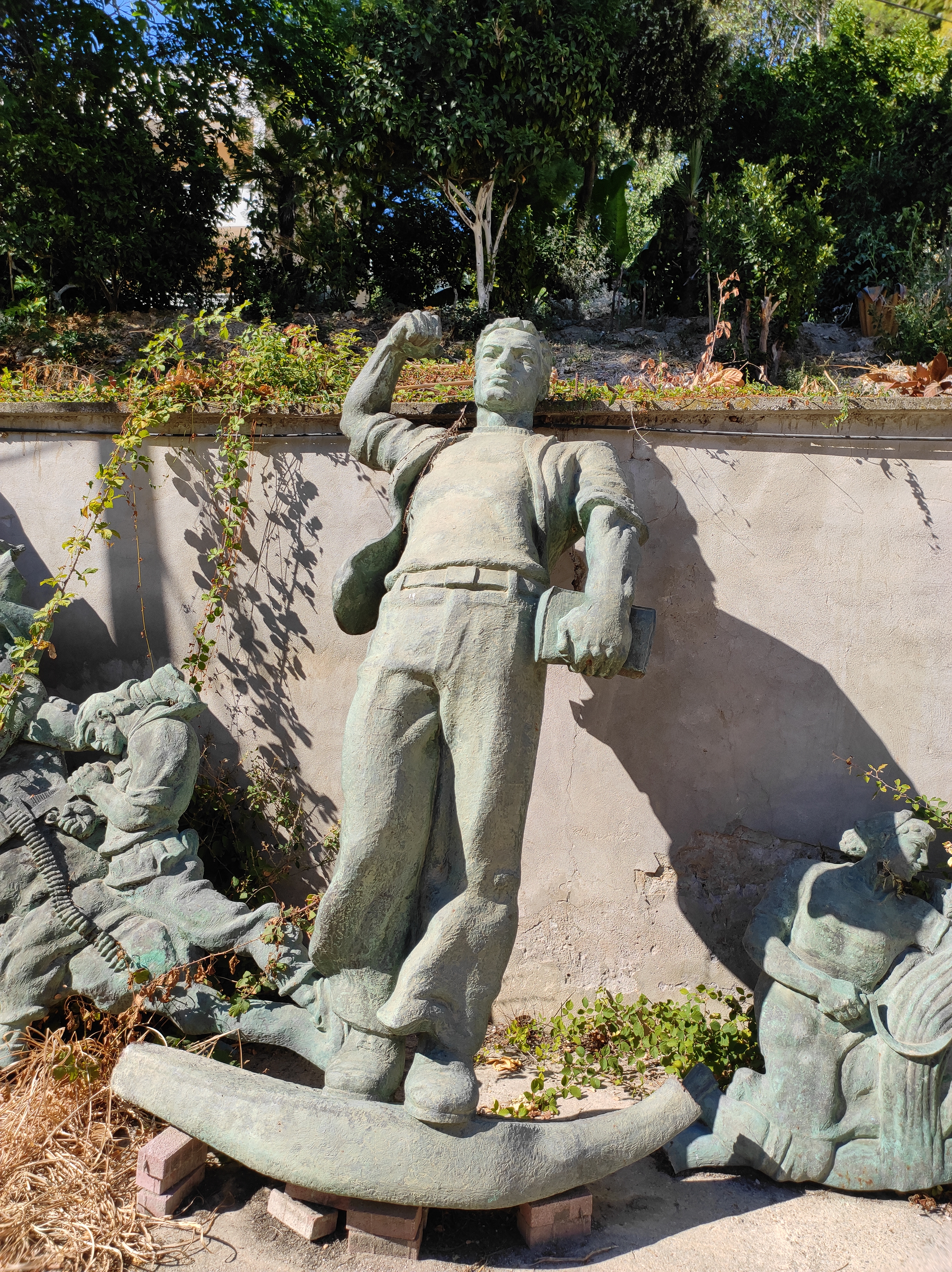
During my long traveling over Europe this summer, among other areas, I ventured to Albania, a country where houses frequently do not have numbers and where I located the building where a friend of my youth now lives by a drawing on a gate. This is a country where the so-called oriental bazaar is buzzing everywhere, where towns literally hang on cliffs, and where one easily runs across the ruins of the Roman, Byzantine, and Ottoman legacy of the country and the โ€œarchaeologyโ€ of the recent communist past (small concrete family bunkers, tunnels for the former communist nomenklatura, monumental sculptures and mosaics in the socialist realism style).

It was interesting to see how this country, which lived much of the 20th century under the most vicious communist dictatorship (1944-1990), is now trying to live a normal life.  To some extent, Albania is very similar to present-day Russia: decades of the negative natural selection under communism killed much of self-reliance, individual initiative, and produced the populace that looks up to the government for the solutions of their problems. For the past thirty years, a new generation emerged, and things did dramatically change. Yet, very much like in Russia, much of the populace feels nostalgia for the โ€œgoodโ€ old days, which is natural.

According to opinion polls, 46% of the people are nostalgic for the developed communism of dictator Enver Hoxha (1944-1985), an Albanian Stalin, and 43% are against communism; the later number should be higher, given the fact that many enterprising Albanians (1/4 of the population) live and work abroad.ย  During the last decades of its existence, Albanian communism slipped into a wild isolationism of the North Korean style. Except for Northern Korea and Romania, all countries, from the United States, Germany, UK (capitalist hyenas) to the USSR, China, and Yugoslavia (traitors to socialism), were considered enemies. ย Incidentally, Albanian communism was much darker and tougher than the Brezhnev-era USSR. Nevertheless, as it naturally happened in Russia and some other countries, in thirty years, the memory of a part of the population laundered and cleansed the communist past, and this memory now paints this past as a paradise, where everyone was happy and looked confidently into the future, where secret police and labor concentration camps existed for a good reason, and where the vengeful dictator appears as a caring father.

In the hectic transition to market economy and with the lack of established judicial system, there naturally emerged a widespread corruption, nepotism. But, at the same time, small business somehow flourishes. The masses and elites of the country aspire to be united with neighboring Kosovo since both countries are populated by Albanian majorities. On top of this, Kosovo is the birthplace of Albanian nationalism.  However, unlike current Russia, which is spoiled with abundant oil and gas resources (the notorious resource curse factor), corrupt Albanian bureaucrats that rule over a small country exercise caution. Although that small country is too blessed with oil, natural gas, chromium, copper, and iron-nickel, they do not waste their resources on sponsoring geopolitical ventures and harassing their neighbors. For themselves, the Albanians resolved the Kosovo issue as follows: we will be administratively two different states, but de facto economically and socially we will be tied to each other, and all this makes life easier for people, preventing any conflicts. Not a small factor is that, unlike, for example, Russia or Turkey, Albanian nationalism is devoid of any imperial syndromes, and therefore there is no nostalgia for any glorious lost empire. The fact that Albania is a member of NATO also plays a significant role, which forces the Albanian elites behave. Acting smartly, instead of geopolitical games, they decided to fully invest in the development of the tourism business, believing that, in addition to mining their resources, this is the best development option.

We’ve moved!

Dear readers, long time and new, NOL has decided to move. We’re over here now.

We’ve moved!

Dear readers, long time and new, NOL has decided to move. We’re over here now

Kolev2021_Chapter_LargeSwitzerlandOrLargeFranceT

2022-10-van-hulle

We’ve moved!

Dear readers, long time and new, NOL has decided to move. We’re over here now.

We’ve moved!

Dear readers, long time and new, NOL has decided to move. We’re over here now.

decolonization_and_the_strange_triumph_of_state_sovereignty_in_the_1950s_and_1960s

decentering hegemony and open orders

westphalia philadelphia anti-utopian

We’ve moved!

Dear readers, long time and new, NOL has decided to move. We’re over here now.

mckeil foundations of international order debate

adam smiths project of an empire

the international dimension of the us constitution cutterham

world federalism

31YaleJIntlL1

kant federation or republic

alternatives to westphalia

sharman something-new-out-of-africa-states-made-slaves-slaves-made-states

Two Bald Eagles: Symbols of Divided Attitudes?

I spotted two Bald Eagles today in Cincinnati, which is really fitting for the Fourth of July. The two Bald Eaglesโ€”one indolent and one vigilantโ€”capture not only the attitudes of two influential figures in American politics about this national symbol that was hotly debated till 1789, but they also reflect the fractured character of these United States.

You probably already know that Benjamin Franklin was an outspoken detractor of the bald eagle. He stated his disinterest in the national symbol in a letter to a friend:
โ€œI wish the bald eagle had not been chosen as the representative of our country; he is a bird of bad moral character; like those among men who live by sharping and robbing, he is generally poor, and often very lousy. The turkey is a much more respectable bird and withal a true, original native of America.โ€

In contrast, President John F. Kennedy wrote to the Audubon Society:
โ€œThe Founding Fathers made an appropriate choice when they selected the bald eagle as the emblem of the nation. The fierce beauty and proud independence of this great bird aptly symbolizes the strength and freedom of America. But as latter-day citizens we shall fail our trust if we permit the eagle to disappear.โ€

The two Bald Eagles, which symbolize, in my estimation, two divergent historical viewpoints, show us that American history is splintered into sharp conceptions of the past as it has been politicizedly revised to forge a more perfect union. There is little question that the tendency toward seeking out varied intellectual interpretations of US history is unabating and maybe essential to the growth of a mature republic. On holidays like the Fourth of July, however, a modicum of romanticism of the past is also required if revisionist histories make it harder and harder for the average person to develop a classicist vision of the Republic as a goodโ€”if not perfectโ€”union and make it seem like a simple-minded theory. 

The two Bald Eagles aren’t just symbolic of the past; they also stand for partisanship and apathy in the present toward issues like inflation, NATO strategy, Roe v. Wade, and a variety of other divisive concerns. In addition, I learned there is an unfortunate debate on whether to have a 4th of July concert without hearing the 1812 Overture. For those who are not familiar, it is a musical composition by the Russian composer Tchaikovsky that has become a staple for July 4th events since 1976. 

In view of this divisiveness hereย isย myย unsophisticated theory of American unity for the present moment:ย Althoughย theย rhetoricย ofย entrenchedย divisivenessย andย theย rageย ofย politicalย factionsโ€”againstย internalย conflictsย andย internationalย relationsโ€”areย notย silencedย byย theย Fourthย ofย Julyย fireworks,ย theย accompanyingย music,ย festivities,ย andย theย promiseย ofย harmony, theyย doย presentย aย forcefulย antidoteย toย both. Soย whyย have a double mind onย aย nationalย ritualย thatย servesย asย aย unifyingย forceย andย oneย ofย theย fewย restraintsย onย partisanship? Despiteย theย factย thatย Iย am a resident alien, Iย proposeย preservingย Tchaikovsky’sย 1812ย Overture,ย arousingย theย inner dozingย Baldย Eagle,ย andย makingย anย effortย toย reuniteย theย dividedย attitudeย towardย allย challenges. The aim, in my opinion, should be to manifest what Publius calls in Federalist 63 the โ€œcool and deliberate sense of community.โ€

Have a happy Fourth!

Fighting for Every Inch of Ukrainian Soil

I ask myself: How much would I be willing to sacrifice to protect the Ukrainians from Russian slavery. The answer is clear: I would take 50% cut in my living standard. That would be maybe not forever but for a long time.

Then, I ask, how much of a cut would I take to protect Ukraineโ€™s territorial integrity and my level of support drops like a stone. Let me explain. Defending a territory is often the best way to defend the life and liberty of its inhabitants so that the one and the other are almost identical. I believe this is not the case in Ukraine. As I explained in detail more than a month ago itโ€™s likely that the territories Russia seized by proxy in 2014, including Crimea, today shelter few people who want to be protected from Russia. In fact, militias of Russian-speaking Ukrainians from those territories appear to constitute a large part of Russiaโ€™s front troops in its attacks against the rest of Ukraine.

President Zelenskyy insists that he wants to recover every inch of Ukrainian territory lost to Russia and to pseudo-independentists. While I find Kerenskyโ€™ courage and firmness of purpose admirable, this particular goal leaves me cool. Perhaps, both his resolve and his political thinking belong in the 20 th century. Perhaps, thatโ€™s why he reminds many of us of Churchill.

When I ask myself, what I would sacrifice to help Ukraine regain its whole territory my mind turns resolutely to forgoing a few beers. I donโ€™t like the thought of helping brave Ukrainians lose their lives for land. In general, some Ukrainiansโ€™ โ€“ and their presidentโ€™s – apparently quasi religious attachment to their land rings the wrong historical bells in my head. Let me explain.

I think that very few well educated people today could explain why the vast carnage of the First World War took place at all. After all, there was no obviously evil side (as there was in WWII, for example). The same Great Powers that massacred one anotherโ€™s men for four years had been conducted brisk and abundant trade among one another, practically until the minute before the war exploded. In my reading* one specific cause stands out in the initiation of the conflict. Let me say quickly that I donโ€™t know that itโ€™s a very important cause of the war, but I think it was a cause, for sure.

There was a willingness and a capacity effectively to mobilize in France, one of the main military powers at the time (first or second). Itโ€™s difficult to assume causation but there are abundant proofs in the daily French press that many in the French political class never accepted the loss to Germany of rich Alsace and of the northern half of Lorraine in 1870 (a consequence of the โ€œFranco-Prussian Warโ€). Schoolbooks, incredibly, kept the sense of loss alive for forty- four years. In 1914, millions of ordinary French men joyfully marched to war against Germans who had not done anything to them for the same forty-four years. World War One killed about 10 million soldiers and sailors in Europe alone. The figure includes my grandfather, First Lieutenant Maurice Adolph, pulverized somewhere near Verdun.

Germany lost. Communism arose in Russia and elsewhere and France recovered Alsace and the half of Lorraine that it had lost. Sure, there were celebrations in Strasbourg, the beautiful capital of Alsace. Frankly, I donโ€™t know who organized them. I do know that there was enough reluctance in the Alsatian populace that the French Republic had to make special rules for that province. (They are fairly mild and mostly about the place of organized religion.)

Today, the language of instruction is, of course, French in all Alsatian and Lorraine schools. It corresponds only moderately well to linguistic reality because for many of the inhabitants the language spoken at home is a German dialect. Of course, there has been an influx of others from outside the region who are French speakers (some of them, by default, instead of Arabic, Tamazight, or Wolof). The European Union has made the French-German border largely irrelevant. Itโ€™s odd and pleasant little facts that remind you of it. Thus, on Sunday morning, there is heavy traffic on the main bridge from Germany to Alsace because of the many Germans who are coming to enjoy the superior Strasbourg sauerkraut. So why did so many Europeans have to grow up without a grandfather, one wonders?

In total contradiction to what I just wrote, yes, if I could be convinced that taking every square inch of Ukraine back from Russian aggression would be instrumental to keeping the Russian monster at bay for a long time, I would change my position. Different topic.


* Disclosure: My maternal grandfatherโ€™s own grandparents had left prosperous Alsace for raggedy central France in order to avoid living under German rule, according to family tradition. My motherโ€™s maiden name was โ€œAdolph.โ€

Meanwhile, back in Iran: The demise of JCPOA

The prospects for the revival of the Iran Nuclear Deal 2015/Joint Comprehensive Plan of Action (JCPOA) seem to be dim after International Atomic Energy Agency (IAEA) Director General Rafael Grossiโ€™s announcement during a recent news conference thatย Iran has startedย removing 27 surveillance cameras from nuclear sites all over the country. Iran, on the other hand, has emphatically stated that it is cooperating with IAEA.

The board of governors of IAEA, consisting ofย 35 members, had passed a resolution last week seeking greater transparency with regard to Iranโ€™s nuclear program. The censure accused Tehran of failing to provide correct information with regard to the development ofย โ€˜man made materialโ€™ย at three undeclared sites in the country. While 30 countries voted in favor of the resolution, three countries abstained, and two countries โ€“ China and Russia — voted against the resolution.

The US has also once again underscored the point that a return to the Iran nuclear deal will not be possible if Tehran does not cooperate with IAEA. Said US Secretary of State Antony Blinken whileย referringย to Iran’s decision to remove the above-mentioned 27 surveillance cameras :ย ย 

The only outcome of such a path will be a deepening nuclear crisis and further economic and political isolation for Iran.

Iranian President Ebrahim Raisi seemed unfazed by the IAEA resolution, and criticism from the West. Saidย Raisi:ย 

In the name of God and in the name of the nation, Iran will not withdraw from its stance a single step.

Given its numerous economic challenges, Iran has been looking towards a revival of the nuclear deal, since it could open up new economic vistas. In recent weeks there have been protests against rising inflation, and even Iranian retirees have been joining the fray (the government had announced earlier this month that it would raise pensions byย 55%,ย but retirees say that this is not enough, given the level of inflation). Inflation is estimated at well overย 45%, and 2 million Iraniansย have been left jobless as a result of US sanctions and the Covid pandemic.

Iran has been reiterating that if the 2015 Iran deal is not revived, it has other economic options and would adopt a โ€˜Look to the East policyโ€™ where it would focus on improving ties with China and Russia.ย ย 

After the imposition of US sanctions in 2021, Iran and China had signed aย 25-year agreement,ย referred to as strategic-cooperation agreement, to strengthen both economic and security links between the two countries. China has also been purchasing oil from Iran in spite of sanctions. For the first three months of 2022,ย Iran’s oil exports were estimated atย 8,70,000, andย a significant percentage of these were China bound. Iran has also been looking at a 20-year agreement with Russia. In 2021, bilateral trade between Russia and Iran was estimated at over $4 billion, and both countries have been seeking to strengthen ties in other areas like connectivity under theย International Northโ€“South Transport Corridor (INSTC).ย 

Tehran, however, can not afford to be solely dependent on China or Russia, and needs to have economic relations with other countries — many which share close ties with the US. A great example of these limitations is China’s decision to reduce its import of oil from Iran after it was able to import theย sameย at much cheaper prices from Russia.ย ย 

Even if Iran and the other signatories to the JCPOA are unable to revive the 2015 agreement, Iran may have some limited openings with regard to economic linkages with the outside world. The US could allow Iran to import oil in order to keepย global oil prices down. It could provide waivers to certain countries to not just purchase oil, but also have limited economic linkages with Iran. After the withdrawal of the US from the JCPOA in 2018, the Trump administration had provided waivers to eight countries for a period ofย six monthsย to purchase oil from Iran. Significantly, Iran itself had confessed that it had managed to evade sanctions. While addressing the Doha Forum in December 2018, then-Foreign Minister for Iran, Mohammad Zarif, saidย that

if there is an art that we have perfected in Iran [that] we can teach to others for a price, it is the art of evading sanctions.

In conclusion, Iran cannot afford to be solely dependent upon a handful of countries for putting its economy back on track. Given the current geopolitical turmoil globally, it is important for the US and other Western countries to be pragmatic and not push Iran to a corner.

Two visions of multilateralism are competing in the Indo-Pacific

The Indo Pacific Economic Framework (IPEF), signed by a total of 13 countries on May 23, 2022, in Tokyo, is being dubbed by many as a means of checking Chinaโ€™s economic clout in Asia and sending out a message that the US is keen to bolster economic ties with its allies and partners in the Indo-Pacific.

Many Chinese analysts themselves have referred to the IPEF as an “Economic NATO.” China has also been uncomfortable with the Quadrilateral Security Dialogue (Quad), which consists of the US, Australia, Japan, and India, and has even referred to Quad as an “Asian NATO” โ€“ though members of the grouping have categorically denied this assertion.  

The countries which joined the US-led IPEF are: Australia, Brunei, India, Indonesia, Japan, South Korea, Malaysia, New Zealand, the Philippines, Singapore, Thailand, and Vietnam.

IPEF

These countries together account for 40% of global GDP. The four key pillars of the IPEF framework are:

  1. supply-chain resilience;
  2. clean energy, decarbonisation and infrastructure;
  3. taxation and anti-corruption;
  4. and fair and resilient trade.

While launching the plan, US President Joe Biden said

We’re here today for one simple purpose: the future of the 21st Century economy is going to be largely written in the Indo-Pacific. Our region.

US Commerce Secretary Gina Raimondo, while commenting on the IPEF, said that it was important because it provided Asian countries an alternative to Chinaโ€™s economic model.

A few points need to be borne in mind. First, many of the countries — Australia, Brunei, Indonesia, Japan, South Korea, Malaysia, New Zealand, the Philippines, Singapore, Thailand, and Vietnam โ€“ which have signed the IPEF are also part of the 15-nation Region Comprehensive Economic Partnership (RCEP) trade agreement of which China is a key driver (Indonesia, the Philippines and Myanmar have not ratified RCEP). RCEP accounts for 30% of the worldโ€™s GDP. Trade between China and other member countries has witnessed a significant rise, year on year in Q1 of 2022.

RCEP

Second, many of the countries which are part of the IPEF have repeatedly said that they don’t want to choose between China and the US. Singapore’s Prime Minister Lee Hsien Loong, who was amongst the first to hail the IPEF, has emphatically stated this point on a number of occasions. In an interview to Nikkei Asian Review on May 20, 2022, Mr Lee reiterated this point. In fact, he even pitched for making China a part of the Comprehensive and Progressive Agreement for Trans-Pacific Partnership (CPTPP). (The precursor to the CPTPP, the TPP, was a brain child of the US).

Here it would be pertinent to point out that China had submitted an application for joining the CPTPP in September 2021. In the interview, Lee stated that countries in Asia needed to have good relations with the US, Japan, and Europe.

Indonesia’s Trade Minister, Muhammad Lutfi, who attended the signing of the IPEF on behalf of the archipelagic country’s president, stated that he did not want to see IPEF used as a tool to contain other countries.

One of the reasons why many countries are skeptical about the IPEF is the fact that it does not have any trade components. A number of ASEAN member states have pointed out that the IPEF makes no mention of tariffs and market access, a major drawback. At the US-ASEAN Summit held earlier this month, Malaysian Foreign Minister Ismail Sabri Yaakob had explicitly referred to this point. Like many other countries, Malaysia has welcomed the IPEF, but in the immediate future sees RCEP as a far greater opportunity.

US President Joe Biden has not deviated significantly from the policies of his predecessor, Donald Trump, with regard to trade and the US is unlikely to return to the CPTPP, at least in the immediate future. Biden and senior officials in his administration have spoken about the need to check Chinaโ€™s growing economic influence, specifically in Asia, and to provide an alternative model. The US, though, along with some of its Indo-Pacific partners, has only recently begun taking some steps in this direction. Leaders of the Quad countries, for example, during their meeting at Tokyo, announced that they would spend $50 billion in infrastructural aid and investment in the Indo Pacific.

Given Biden’s low approval ratings and diminishing political capital, it is unlikely that he is likely to change his approach towards trade significantly. US Trade Representative Katherine Tai said the TPP was “fragile,” and that there was no domestic support for the same. 

In conclusion, while the IPEF does have symbolic importance, bear in mind that many signatories themselves have close economic relations with China and would not like to get trapped in competition between the US and China. Unless the US re-examines its approach towards trade, which is highly unlikely, and unless countries which are part of the Indo-Pacific vision are able to strengthen economic cooperation, China is likely to dominate Asiaโ€™s economic landscape โ€“ even though there is growing skepticism with regard to the same.