From the Russian painter Ilya Repin:
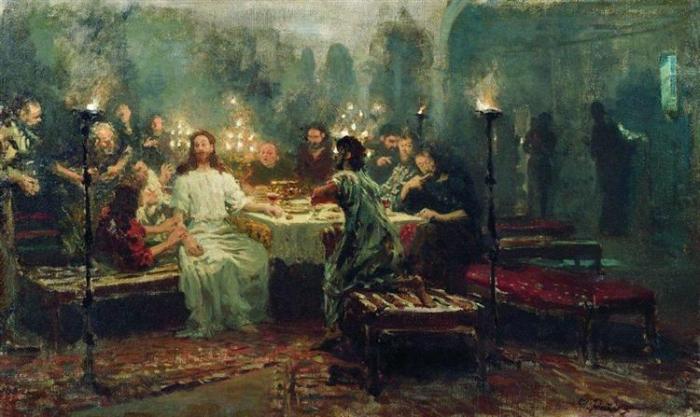
This is a bit different than the traditional “last supper” paintings we are used to, at least here in the States.
From the Russian painter Ilya Repin:
This is a bit different than the traditional “last supper” paintings we are used to, at least here in the States.
From the estimable Russian artist Ilya Repin:
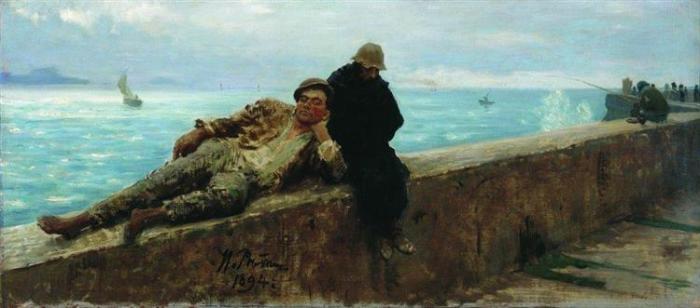
If anybody knows where this is displayed today, please let me know either by email or simply in the ‘comments’ section.
From Ilya Repin, a painter from the Russian Empire:
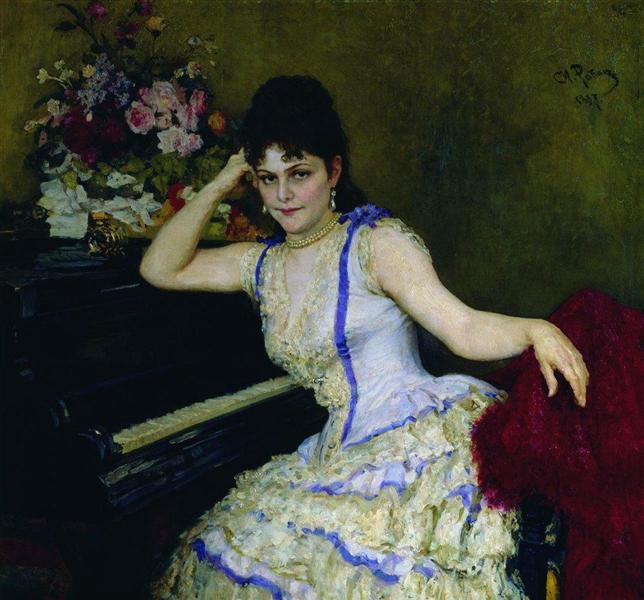
This is from Russian painter Ilya Repin:
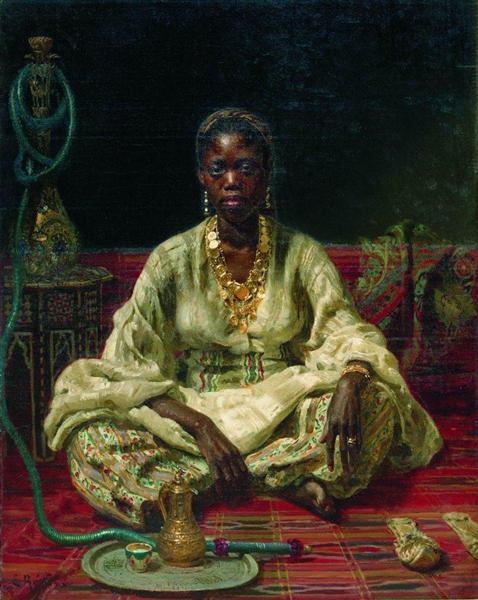
This is by the Russian painter Ilya Repin:
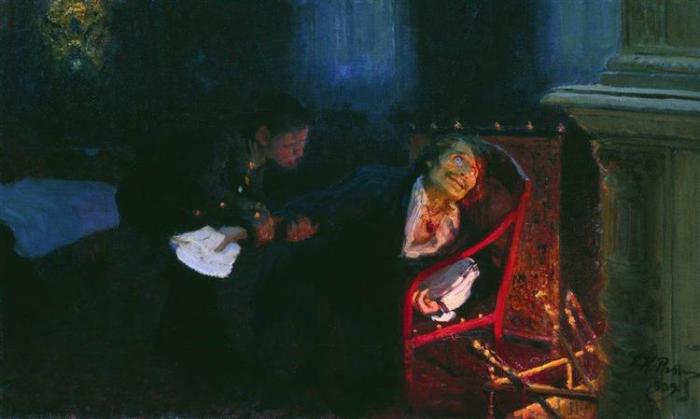
Nikolai Gogol, a famous Russian author, went mad in his 40s and burned the manuscript for the second part of Dead Souls, a classic novel about Russian life in the 19th century.
That’s what I argue in my weekend column for RealClearHistory, anyway. Here’s a peep:
5. Russia’s alienation from Europe, culturally. Russia had long been the odd man out in European affairs. Was Russia European? Asiatic? Russian? For most Russians, the Crimean War answered this question, as Christian Europe sided with Muslim Turks against it in a war Russia lost decisively. Russian efforts at integrating culturally with Europe began under Peter the Great in the 17th and 18th centuries, largely ended officially, though, of course, informally ideas still spread throughout the empire.
Please, read the rest.
Привет, друзья. Сегодня хочу вам рассказать одну неприятную историю, которая приключилась с российским телеканалом “Дождь”. Историю, замешанную на патриотизме, особом “русском пути”, памяти и банальном незнании истории.
Для начала давайте вернемся в нашей памяти на 70 лет назад во время Второй Мировой Войны и вспомним такое жуткое событие, как блокада Ленинграда, длившаяся почти 900 дней, и ставшая причиной голода и смерти сотен тысяч мирных жителей. Доподлинно известно, что у Гитлера было несколько планов на будущее города Ленинграда. Первоначально он планировал просто захватить город, потом же принял решение о полном уничтожении “Северной Венеции”. Стереть город с лица земли любым способом, не заботясь о мирном населении… Не ввязываясь в кровопролитные уличные бои, практически единственный способ сделать это – организовать полную блокаду и бомбежки. Тогда те, кто не умрут при артобстреле – умрут от голода. Я не буду сейчас рассказывать про беспрецедентные случаи человеческого мужества и верности Отечеству, которые проявили обычные горожане, и сразу перейду к смыслу: Гитлер не планировал сохранять нынешний Санкт-Петербург вообще. Любой ценой.
Недавно на одном из наших телеканалов появился опрос примерно следующего содержания: “Надо ли было сдавать город Ленинград врагу и тем самым избежать сотен тысяч смертей от голода, или же надо было защищаться до конца?” Из всего того, что я написал выше, ответ очевиден: сдача города врагу не сохранила бы ни его население, ни собственно сам город.
Перед нами обыкновенное незнание определенных фактов истории администрацией канала, ну или тем, кто отвечает за наполнение эфира информацией. Опрос этот вызвал широкий общественный резонанс, и вскоре был удален, а администрация канала извинилась.
Казалось бы, и забыть про это все надо – но нет. Отдельная категория людей, заседающих в нашем правительстве решила дать этому “вопиющему и кощунственному делу” дальнейший ход и написала заявление в прокуратуру, хотя по факту-то проблемы уже и нет. Однако канал начали везде закрывать и блокировать, и это лишний повод задуматься.
Что из всего этого лично я вынес? Существуют определенные события, категории знаний, факты и вообще “всякие понятия”, ошибки в которых недопустимы не при каких обстоятельствах. Не несущие никакого материального вреда, они могут оказаться бомбой замедленного действия в умах граждан, и вызвать совершенно непредсказуемую реакцию…
Думайте о том, что говорите, и о том, что пишете. Анализируйте свои слова и взвешивайте каждое слово.
 Notes On Liberty